RANGE Hospitality Advisory
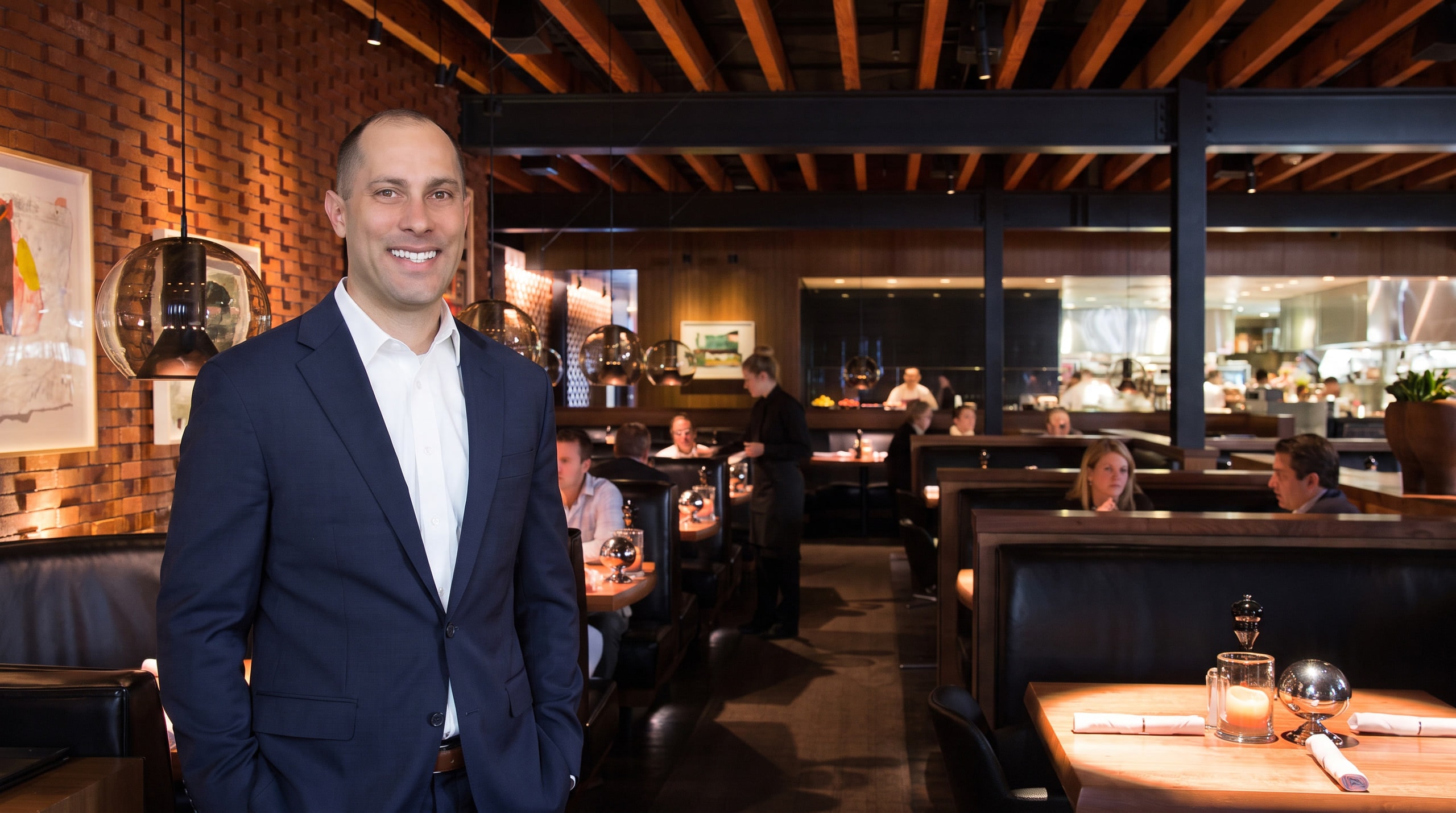
You built a restaurant brand people love. RANGE makes it run at five, ten or twenty locations without losing what made it work. Founded by Jon Peck.
20+ Years Operating
$100M+ P&L Owned
8 Brands Built & Scaled
Thirty minutes. You leave knowing where the problem is.
Our Philosophy
We work with restaurant groups that built a brand people love and want it to run at five, ten or twenty locations without losing what made it work. We find the two or three things holding the business back and fix them alongside the team.
Operators live inside the business, and today’s problems take the whole day. Nobody in it has the distance to see which one is driving the rest.
Most failures are misdiagnoses. The labor line gets cut or the manager gets replaced, and the root cause keeps running.
We sequence those two or three things in an order the operation can absorb, and build each one with the managers who will run it. If it only holds while we are in the room, it was never built to last.
When to Call
Expanding into New Markets
The lease in the new city is signed, and the managers who made the first market work are all still in it.
Leadership Turnover
The director of operations gave notice, and half of what the stores run on left with them.
New Funding or PE Backing
The deal closed, and the first board meeting asks for numbers the operation has never had to report.
Same-Store Sales Lagging
Comp sales have been flat for three quarters, with nothing in the concept or the brand to explain it.
Restaurant turnaroundCulture Drift
The regulars have started to notice: this year’s managers were trained by people who never saw the original standards.
If one of these is your operation this quarter, that’s the conversation.
Book a call with Jon (opens in a new tab)The RANGE Framework
- Recognize what’s real
- Align execution to intent
- Narrow focus on core drivers
- Generate momentum
- Elevate team capability
The framework question below spells out each move. Skip Align, and leadership sets a service standard the labor schedule cannot staff. The first call starts at Recognize, with your own numbers.
Who We Serve
Independent Restaurant Groups
Past the startup phase and building for scale.
Management consultingHotel & Resort F&B
Outlets and banquets, run to restaurant discipline inside the hotel.
F&B operationsGrowth-Stage Brands
The concept is proven. The system to multiply it is not built yet.
Restaurant growth strategyLeadership Teams in Transition
An ownership change, a succession, or a founder stepping back.
Fractional COOInvestors & Private Equity
Operator-side eyes on the asset before the capital commits.
Operational due diligenceOur Process
- Step 01
The Call
Tell us what is breaking and what you have already tried.
- Step 02
The Diagnosis
We read the operation from the P&L to the pre-shift meeting before anything changes.
- Step 03
The Measure
We agree what we are solving and the number that says it is done.
- Step 04
The Work
Within that order, the fix that carries the most weight goes first. Each one is read against the measure agreed in step 03.
- Step 05
The Handoff
By then the team runs the weekly numbers meeting on its own. Capacity, not dependency.
What We Do
Restaurant management consulting run by an operator covers five domains, because the problems rarely stay in one department.
Common Questions
How is RANGE different from a traditional consultant?
When a firm passes your work from person to person, the accountability thins with every pass. At RANGE it does not pass: the same senior operator is on the weekly call for the length of the engagement. Ask any firm who, by name, is answerable for the result.
What does it cost to work with RANGE?
Every fee, for a project, a retainer or fractional advisory, is agreed before the work begins, set by the scope and the value of the outcome, never by the hour or the day. A retainer buys ongoing access to senior operating judgment, not a count of visits. The one option with a published price is Foundations: one system, such as food cost or shift execution, installed from the price published with it. The first call is free.
What is the RANGE framework?
It is the order every fix runs in, and it starts with the problem behind the number.
- Recognize what’s real.
- Align execution to intent.
- Narrow focus on core drivers.
- Generate momentum through process.
- Elevate team capability.
The moves: Recognize, Align, Narrow, Generate and Elevate. Read the framework in full
Do you only work with restaurants in Dallas?
No. RANGE is based in Dallas–Fort Worth and works with restaurant groups nationally, including Nashville and Atlanta as well as Austin, Houston and San Antonio in Texas. The engagement runs the same way wherever you are, and when the work needs time on site, we go to the restaurants.